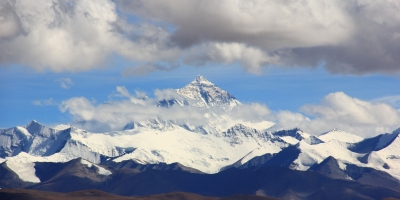

The Everest Base Camp (EBC) Trek is a legendary journey that takes you into the heart of the Khumbu region, offering an awe-inspiring experience amid the highest mountains on earth. At an elevation of 5,364 meters, the trek leads adventurers to the very foothills of Mount Everest (8,848.86m), the world’s tallest peak. This incredible route not only provides dramatic Himalayan scenery but also immerses trekkers in the rich Sherpa culture, traditional Buddhist heritage, and remarkable alpine landscapes. Along the way, you’ll explore the famous Namche Bazaar, visit the spiritual Tengboche Monastery (the highest in the region), and walk through Sagarmatha National Park, a UNESCO World Heritage Site.Trekkers are also rewarded with stunning views of four of the six highest peaks in the world: Everest, Lhotse, Makalu, and Cho-Oyu. The highlight for many is the climb up to Kalapatthar (5,545m) – the ultimate viewpoint to see Everest in its full glory. The journey begins with an adventurous flight from Kathmandu to Lukla, after which you’ll hike through beautiful villages, suspension bridges, and glacier-fed rivers. Amazing Nepal Journey has been organizing this life-changing adventure since 1998, delivering successful and safe trips with 100% client satisfaction. Whether you're a seasoned trekker or taking on your first high-altitude journey, this trek promises an unforgettable experience into the majestic Himalayas.Best Time for Everest Base Camp TrekTiming is crucial for making the most of your Everest Base Camp Trek. The best seasons for this adventure are spring (March to May) and autumn (September to November). During spring, the trails are alive with blooming rhododendrons, and the skies are generally clear, offering spectacular views of Everest and neighboring peaks. This season is also warmer and less prone to flight delays, making it a preferred time for trekkers. Autumn brings post-monsoon clarity and stable weather, ensuring excellent mountain visibility and crisp, cool air – ideal for photography and comfortable trekking conditions.While winter (December to February) offers stunning snow-covered landscapes and fewer crowds, temperatures can drop dramatically, especially at higher elevations, and some lodges may be closed. Monsoon season (June to August) is less favorable due to heavy rains, slippery trails, and frequent flight cancellations. At Amazing Nepal Journey, we advise our clients based on current weather trends and always prepare alternate plans to ensure your safety and convenience. Our goal is to give you the best possible trekking experience at the right time of year.Everest Base Camp Trekking DifficultyThe Everest Base Camp Trek is classified as a moderate to challenging trek, suitable for those in good health with a decent level of physical fitness. While it doesn’t require technical climbing, it involves long daily hikes (5–8 hours), steep ascents and descents, and most importantly, high-altitude exposure. The trek reaches a maximum elevation of 5,545 meters at Kalapatthar, where the reduced oxygen levels can be demanding, especially for first-time trekkers. However, proper acclimatization days, hydration, and a steady pace can help most individuals complete the trek successfully.First-time trekkers who are reasonably fit and mentally prepared can absolutely take on this adventure. Our 14-day itinerary is designed with gradual altitude gain and rest days in places like Namche Bazaar and Dingboche, which support acclimatization. With the guidance of experienced and trained trekking leaders from Amazing Nepal Journey, you’ll be well-supported throughout your journey. We provide pre-trek briefings, essential gear advice, and emergency protocols to ensure your safety and success. Thousands of our satisfied clients have completed this trek confidently with our professional support.Why Choose Us – Everest Base Camp Trek with Amazing Nepal JourneyWith over two decades of experience, Amazing Nepal Journey has become a trusted name in Nepal’s adventure tourism sector. Since 1998, we’ve guided countless trekkers to Everest Base Camp with a 100% success rate and glowing client satisfaction. Our locally owned company offers authentic Himalayan experiences rooted in safety, professionalism, and cultural respect. Our guides are not only licensed and experienced but also passionate about sharing their knowledge of Sherpa culture, mountain ecology, and Buddhist traditions.What truly sets us apart is our personalized service. We tailor each trek to suit your fitness level, time frame, and travel goals. From airport pickup to permits, accommodation, meals, and guiding – we handle everything seamlessly. Our commitment to responsible trekking includes ethical porter policies, environmentally conscious practices, and support for local communities. Whether you're a solo traveler or part of a group, we make sure your journey to Everest Base Camp is smooth, enriching, and unforgettable. Choose Amazing Nepal Journey, and embark on the adventure of a lifetime with a team that genuinely cares about your experience.

Kanchenjunga (8,586m), ‘The Five Great Treasure Houses of Snow’, is the world’s third-highest mountain and is situated in the Kanchenjunga Conservation Area, an area that comprises pristine forests, alpine meadows and high altitude wetlands alongside this magnificent and spectacular Himalayan massif. The mountain forms Nepal’s eastern border with Sikkim and this region is one of the least populated in Nepal. You will trek up through lush, green, semi-tropical Rai and Limbu villages in the mid-hills, and remote Tibetan villages higher up in the semi-arid plateaus at the foot of the mountain. This remote, stunningly beautiful and ecologically diverse conservation area is jointly managed by local communities and the WWF and is home to the endangered and secretive snow leopard and red panda, as well as the vulnerable Himalayan black bear, clouded leopard, and Assamese macaque. This circular trek takes you up through lush valleys full of seasonal flowers that receive the heaviest monsoon rains throughout the Himalayan range, north into spectacular high alpine landscapes full of woodlands and mountain streams. You will then trek up over high passes to both Kanchenjunga Base Camp and Ramche Yalung Base Camp, before heading back down again to lower elevations and returning to the trek’s start point at Taplejung. Amazing Nepal Journey Organizing the trip with full experience sine a long time with all guest Satisfaction.

The Three Passes Trek in the Everest Region is widely regarded as one of the most thrilling and challenging treks in Nepal. Also known as the Everest High Passes Trek, it combines the grandeur of Everest Base Camp with the raw, untamed wilderness of the Khumbu Valley, making it an exceptional choice for true adventure seekers. This trek takes you on a journey through some of the highest and most rugged mountain passes in the world: Kongma La (5,535m), Cho La (5,420m), and Renjo La (5,340m). These passes link diverse landscapes, offering trekkers an immersive experience that goes beyond the classic Everest Base Camp route.Along the way, you will follow in the footsteps of legendary mountaineers like Sir Edmund Hillary and Tenzing Norgay while passing through vibrant Sherpa villages such as Namche Bazaar, Khumjung, and Thame. The trek also includes a visit to the spectacular Gokyo Valley, home to pristine turquoise lakes and Nepal’s largest glacier. This route provides stunning panoramic views of Everest, Lhotse, Makalu, and Cho Oyu from multiple vantage points including Kala Patthar (5,555m) and Gokyo Ri (5,360m). Trekking these ancient trails once used for trade between Nepal and Tibet, adventurers encounter a unique blend of cultural heritage and natural beauty that defines the Khumbu region.Best Time for Three Passes Trek in Everest RegionThe best times to undertake on the Three Passes Trek are during the spring (March to May) and autumn (late September to November) seasons. These periods offer stable weather, clear skies, and moderate temperatures, making the strenuous high-altitude crossing more manageable and enjoyable. In spring, the rhododendron forests bloom in brilliant reds and pinks, adding vibrant color to the mountainous landscape. Autumn is known for its crisp air and excellent visibility, allowing trekkers to fully appreciate the breathtaking mountain panoramas, including Everest and its neighboring giants.Winter (December to February) is less popular due to harsh cold and snowfall at high passes, which may limit accessibility and increase risk. Monsoon season (June to early September) is not advisable due to heavy rains, slippery trails, and potential landslides. At Amazing Nepal Journey, we carefully plan the itinerary to avoid these challenging weather conditions and ensure your trek is safe and memorable. We also advise clients on proper gear and acclimatization to prepare them for the variable weather conditions often experienced at high altitudes.Three Passes Trekking DifficultyThe Three Passes Trek is considered one of the most demanding treks in Nepal due to the high elevation and multiple steep passes that must be crossed. Each pass—Kongma La, Cho La, and Renjo La—requires good physical fitness, endurance, and a strong mental attitude, as you will be trekking at altitudes above 5,300 meters. The daily hiking duration ranges between 6 to 8 hours, often on rocky and sometimes slippery terrain, and the risk of altitude sickness is significant due to the rapid ascent profile.However, the trek is achievable for those who maintain a steady pace, acclimatize properly, and have some previous trekking experience at high altitudes. The presence of experienced guides and support staff from Amazing Nepal Journey ensures that safety and health are prioritized throughout the journey. Our itineraries are thoughtfully designed with acclimatization days to reduce the risk of altitude sickness, and we provide pre-trek training advice to prepare trekkers physically and mentally for the challenges ahead. The breathtaking views and cultural richness make every challenging step worth the effort.Why Choose Us – Amazing Nepal Journey for Three Passes TrekWith over two decades of experience in adventure tourism, Amazing Nepal Journey has earned a reputation for delivering exceptional trekking experiences in the Everest region. Since 1998, we have successfully organized the Three Passes Trek with 100% client satisfaction, emphasizing safety, comfort, and cultural authenticity. Our knowledgeable guides are locals with deep roots in the Sherpa community and extensive trekking expertise, ensuring you not only navigate the trails confidently but also gain insight into the rich traditions and history of the Khumbu region.We pride ourselves on providing personalized service from the initial inquiry through to your safe return, handling all logistics including permits, accommodation, transportation, and meals. Our commitment to responsible tourism means we prioritize environmental sustainability and fair treatment of porters and local staff. Choosing Amazing Nepal Journey guarantees a seamless, immersive, and unforgettable trekking adventure, supported by a team that genuinely cares about your experience and wellbeing. Whether you are a seasoned trekker or taking on your first high-altitude adventure, we tailor our services to meet your needs and aspirations.

Solu:The trekking starting from southern part and ending in northern of Khumbu valley or Everest Region.Solu means southern part andKhumbu means north part of Khumbu valley so Khumbu Valley is combination of two parts “ Solu + Khumbu” .Southern part is very less touristic area now but very nice landscape and famous agricultural productive land for all Khumburegion. Before Luklaairport build all trekkers began their trekking start and from Jiri and Phaplu to Everest region.We have pass through very interesting multi-cultural village and diversities of flora and fauna so will get a chance all complimentary trip.After Juving we have staring to walk very classical trail access to Khumbu valley called Jiri to Everest trekking trail.The Jiri to Everest base camp trek follows; the traditional route taken by the early Everest expeditions and still serves as the main artery to the road less Everest region, known as the home of the Sherpas, SoluKhumbu. Mt. Everest, Sagarmatha or Chomolungma is unquestionably the tallest peak in the world - a legendary pride of the Nepalese people. It is not only the prominent peak among thousands of other mountain peaks but also a most enthralling mountain for both climbing expeditions and trekkers.Our trek passing through different ethnic group like Sherpa, Rai, Magaretc the villages we share many of their hearths and enjoy their generous hospitality. An inestimable number of tourists in Nepal prove the extent of the popularity of this region. The final stretch of this trek is quite arduous but the challenges are softened by traditional delicate tea houses, small settlements of hardy mountain people and monasteries with the back drop of the towering Himalayas, to make it one of the most delightful walks in Nepal.RapchaRapcha is situated in south part of Solukhumbu( Everest region) withinBasa Village Community in Sagarmatha Zone in Nepal. Rapcha is very beautiful village on the lap of Mt. Everest but still unknown due to south part of Khumbu is still not reach the best information to tourist. There is really interesting diversities of agricultural phenomena further more interesting that diversities of ethnic people who are call KiratKhalingRai and Mager people as well Brahmin cultural things are one of the best for tourist in Nepal.Kirat KhalingRai is one of the ethnic groups in Nepal their main originalbirth place and habitation within Solukhumbu and the Rapcha is main place from the beginning of history. KiratKhalingpeople living throughout the world however if their main cultural place remaining up to now Rapcha.They are still not in the any post of government and power so they are marginalized indigenous people so their life is still traditional way. They are religiously point of view “Animism” so they believe upon the natural God like water god, Sun God, Moon God, and their ancestors.Khumbu:A trek to Khumbu valley and Gokyo Treks offers an unique walking, trekking or hiking vacation in the Himalaya,Listed UNESCO Natural world heritage sites, Home of Sherpa Peoples and Stunning Mountain Views, the Khumbu "Sagarmatha" region boasts some of the most extraordinary high mountain scenery on earth!In Generally the trekking start from Lukla ,After flying in to Lukla, however some trekkers start from Phaplu due to some different interesting landscape , people, cultural phenomena and mountains really interesting in southern part and more idealize and smartness for altitude sickness avoid who start the trekking from Phaplu, the exciting trekking to Everest Khumbu valley takes us via the Sherpa capital of Namche Bazaar to the Gokyo Valley. Here, we ascend Gokyo lake and GokyoRi(5360m)mtr which is one of the finest vantage points for Mount Everest (8848m.).Gokyo Valley TrekkingTrekking around Gokyo Valley is considered a traditional trek that offers magnificent views of the mountain peaks and the Ngozumpa Glacier- the largest in the Nepal Himalayas. The image of this region is associated with the soaring views of the most popular mountains in Nepal, at an altitude of 8000m such as Cho Oyu, Everest, Lhotse and Makalu and other some above six to seven thousand mountains which are clearly visible from GokyoRi above Gokyo Lake. One of the most remarkable features is the view of the tremendous ice ridge between Cho Oyu and Gyachunglocated in Khumbu region.Amazing Nepal Journey Treks & Expedition is organizing such beautiful adventure trip in Nepal since 1998 up to now with 100% achievement with fully satisfaction of the all clients. Along the trek we will pass Buddhist monasteries with the views of Everest and other snow towering mountains getting closer by the day. We will have rest days in the villages of Namche bazaar that will allow us to explore the region and to acclimatize, which is very important. After trekking to GokyoRi (5483 meters), we return at a leisurely pace back to Namche and Lukla for our flight back to Kathmandu.
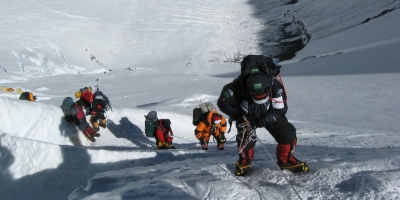
Mt. Everest is ultimate destination for Mountaineers with full of Adventures. Mt. Everest, known as the Sagarmatha in Nepali and also called Chhomolungma in Tibetan Language is with an altitude of 8848m. The southern face lies in Nepal whereas the northern face is in Tibet. Peak XV was renamed after Sir George Everest as Mount Everest, name given in his honour, who was lead surveyor in 1856. Sir George was Welsh Surveyor, he was surveyor general of India for thirteen years from 1830. The Everest has fascinated the mountaineers all around the globe since 1920s when Tibet opened the climbing in early 1920s. In 1922 British Expedition team led by Charles Bruce tried to scale the summit of Mount Everest for the first time. It was Edward Norton in his second attempt along with British Expedition team set the height of 8572m. The mountaineers George Mallory and Andrew Irvine disappeared on the third attempt. Mallory's body was found in 1999. There were several attempts made to Everest before the successful attempt made by Edmund Hillary and Tenzing Norgay on 29 May 1953 via the South route. It is now reported that around 1000 ascent attempts are made every year. On Everest different route for climbing such as North Site and South Site. There are will take the southern route to the summit. This trip suits for those who has previous experiences of few 7000m peaks or even more. The real trek apparently starts from the Base Camp and to reach the base camp takes you around 7 days on foot from Lukla, if follow the classical route but different trail reach to EBCCamp 1 (6,065m) where we will see Khumbu glacier. From Khumbu Glacier, it around 450m on a gradual slope to Camp II (6,750m) and around 610m to Camp III (7,100m). Camp III is located at the head of Lhotse. From this point onwards, you will be needing oxygen cylinders. You will reach the Camp IV (7,910m) after just crossing 8000m elevations. This point is also known as the Death Zone.Mount Everest Expedition is undoubtedly a lifetime opportunity. Nevertheless, these expeditions encounter many hindrances such as high altitude, severe weather conditions and avalanches. One must be well trained before actually trying it. You need to get your body ready for the 8848m foot climb to Everest's summit. Depending on your current level of fitness, you need to train for several months before you start your ascent. A climber must build his/her cardiovascular strength along with muscular strength, oxygen level drops by 60-70 percent from sea level. Also make sure you can carry big bag packs to top as you will be carrying cylinder of oxygen and large bag packs along with you. One must acclimatize with weather conditions and be prepared for rock falls, avalanches. Learning rescue techniques would be an added advantage


 (18)
(18)  100% recommend (0)
 (0)
(0)